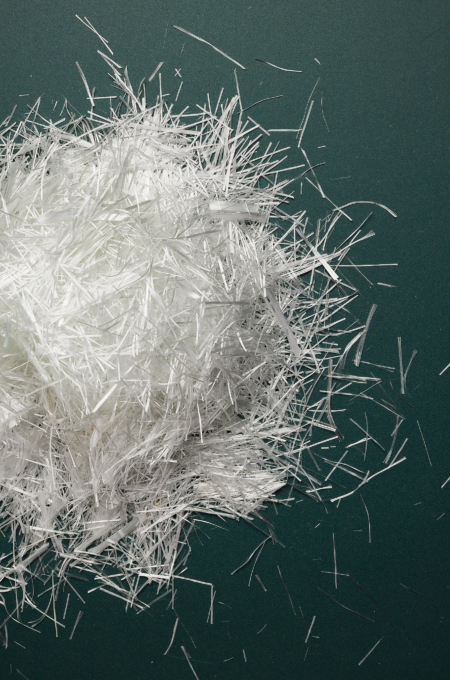





Glass fiber Armalit_BASE
Diameter
Format
Length
Mesh size
Поверхня
Application
Type
-
Glass fiber 12 mm
Armalit_BASE

3.22 € / kg
In stock
80.50 €
pack. 25 kg
-
Glass fiber 24 mm
Armalit_BASE
3.22 € / kg
In stock
80.50 €
pack. 25 kg
-
Glass fiber 24 mm
Armalit_BASE
3.34 € / kg
In stock
2.00 €
pack. 0.6 kg
-
Glass fiber 12 mm
Armalit_BASE
3.34 € / kg
In stock
2.00 €
pack. 0.6 kg
-
Glass fiber 24 mm
Armalit_BASE
3.34 € / kg
In stock
3.01 €
pack. 0.9 kg
-
Glass fiber 12 mm
Armalit_BASE
3.34 € / kg
In stock
3.01 €
pack. 0.9 kg
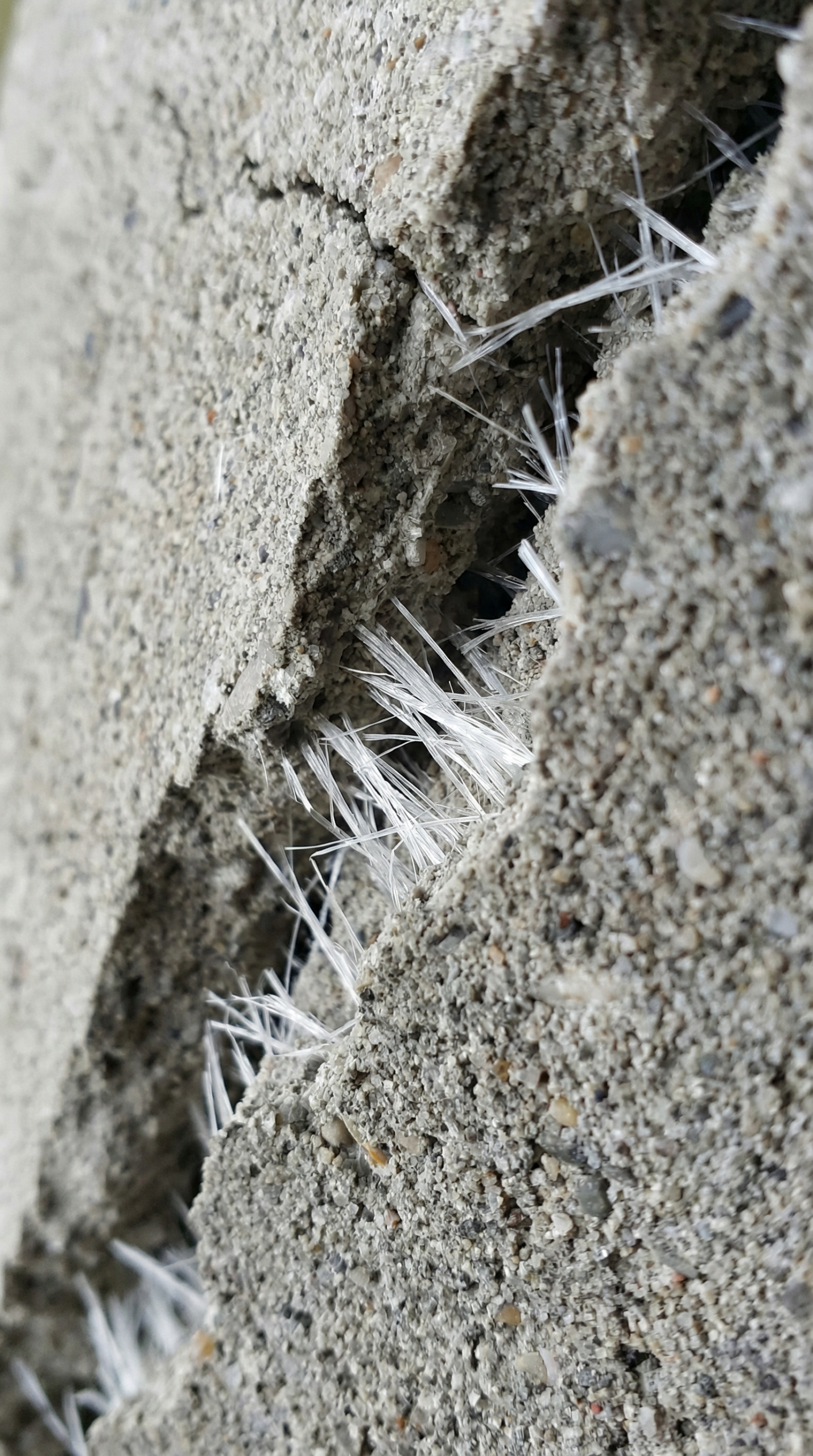
Fiberglass is a reinforcing additive for dispersed reinforcement of concrete mortars (fiberglass concrete) and building mixtures.
Fiberglass is used to reinforce concrete, protective plaster mortars, shotcrete, asphalt concrete, and other building mixtures. It is added to concrete mixtures to increase their strength and durability. Due to its unique properties, fiberglass significantly improves the technical characteristics of building structures.
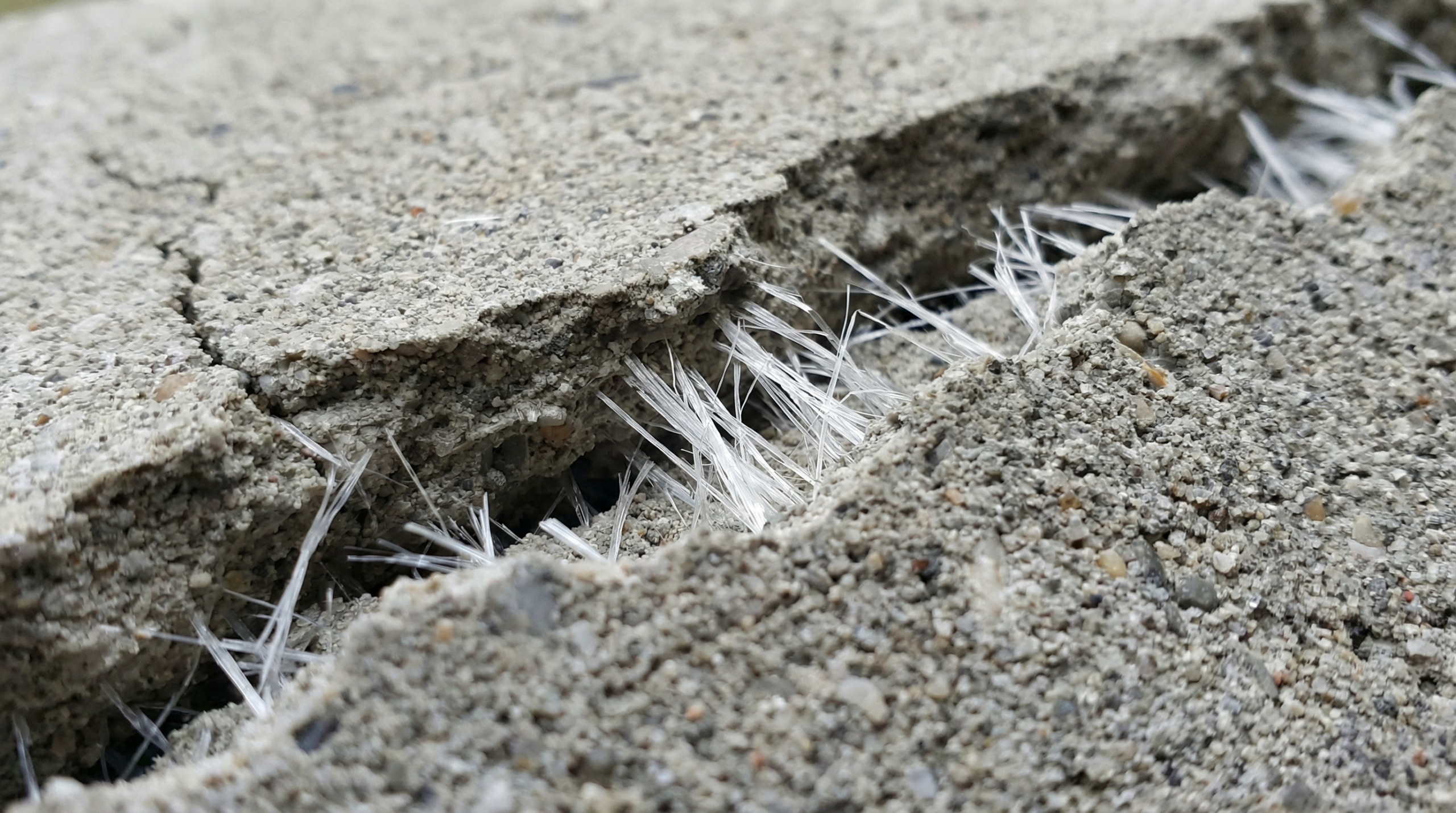
Main designs and directions of fiber reinforcement for concrete:
- monolithic industrial floors all types of screeds (warm floors, protective screeds, etc.)
- all types of monolithic concrete structures (foundations, piles, monolithic slabs, floors, etc.)
- plastering work hydraulic structures, swimming pools
- road surfaces, landscaping of facilities
- fiber concrete for various purposes
- shotcrete, etc.
The high strength of fiberglass, unlike polypropylene fiber, absolute chemical and corrosion resistance, the absence of the effect of temperature changes, a high fire resistance threshold, makes the use of fiberglass fiber in construction an effective tool for significantly improving the qualities of concrete structures:
- Increase in the strength qualities of concrete elements by 50%
- Increase in the reliability of structures due to a significant stable effect from crack formation both at the installation stage (absence of shrinkage cracks) and during operation under the influence of all types of loads, both dynamic and static
- Significantly increases wear resistance and thereby increases the service life of structures that, due to their characteristics, are actively operated (monolithic floors of logistics complexes, service areas of commercial facilities)
- Increase in the service life of structures and concrete bases in difficult operating conditions (livestock complexes and poultry farms, granaries, silos, chemical and oil refineries, concreting of open areas for servicing industrial facilities, roads, bridges, hydraulic structures, port structures, underground tanks, tunnels, etc.), due to additional protection provided by adding fiberglass fiber to such elements, from chemicals (chemical resistance, corrosion resistance), from temperature effects (frost resistance), moisture (waterproofing properties), fire (fire resistance).
- Reduction of construction costs – due to high strength characteristics, it is advisable to design with the possibility of reducing the dimensions of structures and concrete layers, in contrast to concreting with standard solutions.
Recommended standard estimated consumption: 0.6-0.9 kg per 1 m3 of solution, for specialized structures operating in extremely heavy operating conditions up to 3 kg/m3.
For better effect and distribution, add to the mixture during dosing of dry components (sand, cement and crushed stone), then mix for at least 5 minutes, then add water.
Fiberglass fiber is shipped in multiples of 0.6/ 0.9/ 25 kg packaging.
Technical characteristics:
Composition: alkali-resistant fiberglass Length: 12 mm, 24mm
Color: white Fiber diameter: 13 μm
Strength: 1000 MPa
Modulus of elasticity: 50 GPa
Moisture content 0.04%
Melting temperature 650°C
Fiberglass fiber is compatible with all types of chemical additives used to prepare concrete solutions for various tasks.
It is necessary to work with fiberglass in protective gloves and glasses.
The shelf life is unlimited.
-
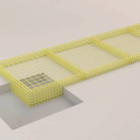
Strip foundations on an elastic basis
-
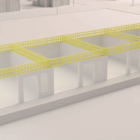
Arrangement of monolithic reinforcing belts
-
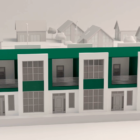
Сottage construction
-
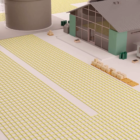
Industrial construction
-
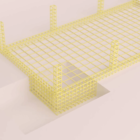
Reinforcement of industrial floors and foundations
-
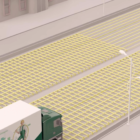
Construction of roads and access roads
-
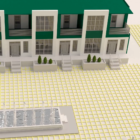
Arrangement of foundations for high-quality laying of decorative coatings
-
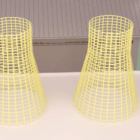
Installation of concrete foundations and chemical tanks
-
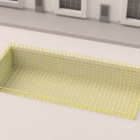
Construction of bowls of pools and artificial reservoirs
-
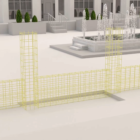
Construction of fences